
In today’s fast-paced environment, maintaining both physical comfort and mental balance requires intentional care. Spa treatments offer structured, professional services designed to promote relaxation, restore energy, and support overall well-being. While often associated with comfort and leisure, spa treatments can play a meaningful role in a consistent wellness routine.
This article explores how spa services contribute to both physical and mental relaxation, the mechanisms behind their effects, and how they can be integrated into everyday life.
The Connection Between Body and Mind
Physical tension and mental stress are closely connected. When the body experiences prolonged strain—whether from work, posture, or daily responsibilities—the nervous system remains in a heightened state of alertness. Over time, this can lead to:
- Muscle tightness
- Fatigue
- Reduced concentration
- Sleep disturbances
Spa treatments aim to gently shift the body toward a calmer physiological state, allowing both muscles and the nervous system to reset.
Physical Relaxation Through Therapeutic Touch
1. Muscle Release and Tension Reduction
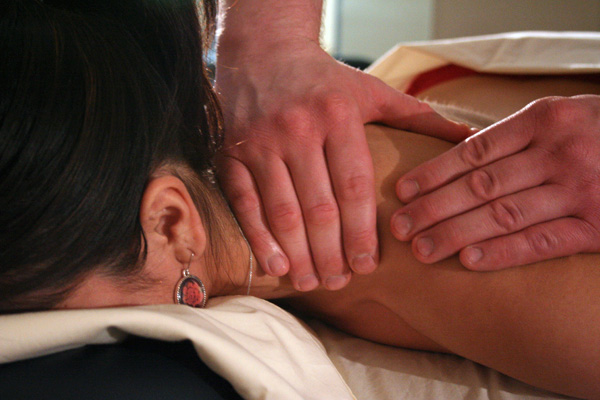
Many spa treatments, including massage therapies, focus on reducing muscle tightness. Structured manipulation of soft tissues can:
- Improve flexibility
- Reduce stiffness
- Increase circulation
- Support natural recovery processes
As muscles relax, the body expends less energy maintaining tension, leading to a sense of physical lightness and ease.
2. Improved Circulation and Oxygen Flow
Therapies such as massage, body wraps, and hydrotherapy can stimulate blood flow. Enhanced circulation supports:
- Delivery of oxygen to tissues
- Removal of metabolic waste
- Skin vitality
- Muscle recovery
Improved circulation contributes not only to physical comfort but also to a general feeling of rejuvenation.
3. Support for Skin Health
Facial treatments and body care therapies address the skin as the body’s largest organ. Cleansing, exfoliation, and hydration treatments may:
- Improve skin texture
- Support moisture balance
- Promote healthy appearance
- Enhance overall comfort
When the skin feels balanced and refreshed, individuals often experience increased confidence and well-being.
Mental Relaxation and Nervous System Support
1. Activation of the Relaxation Response
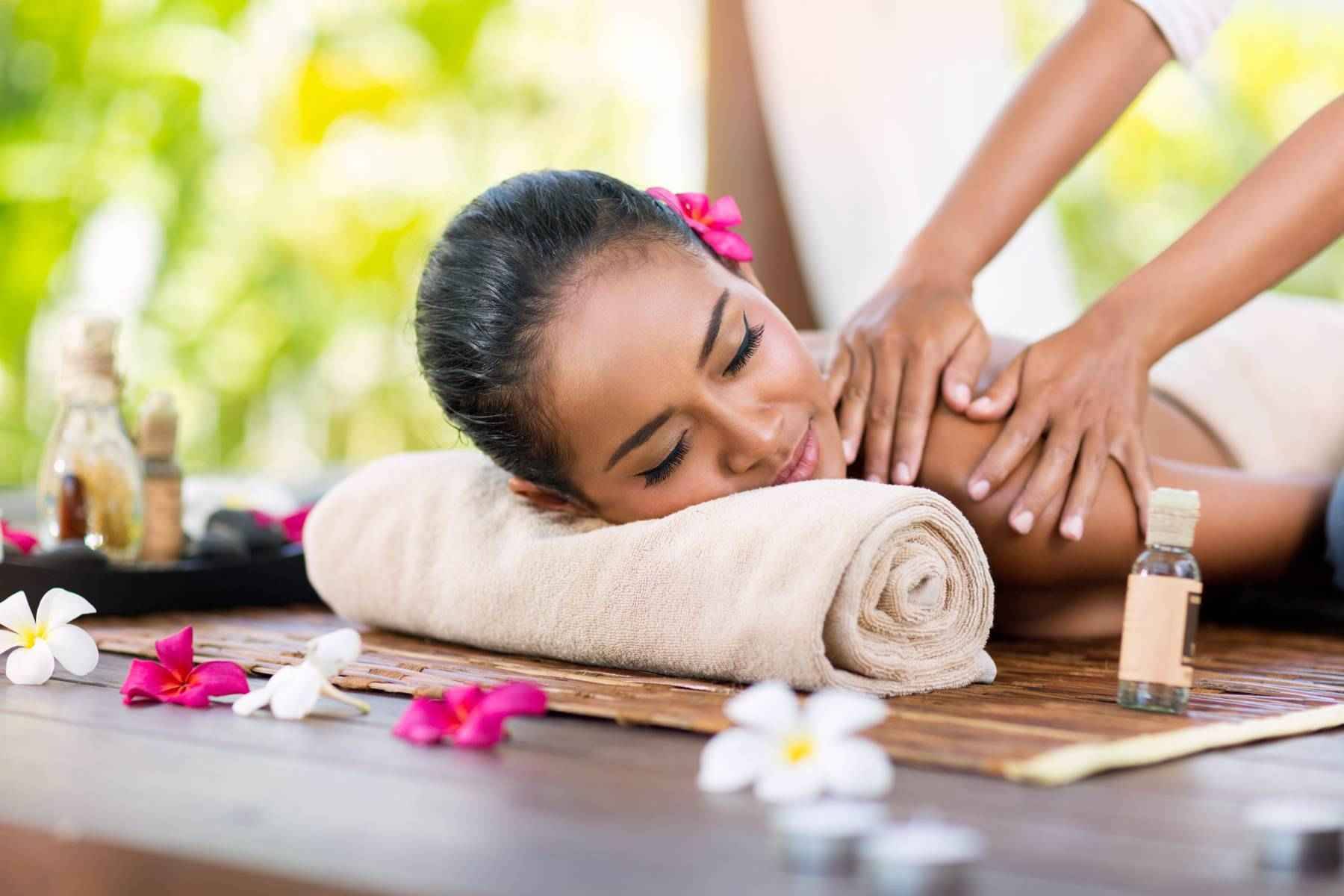
Spa environments are intentionally designed to encourage calmness. Soft lighting, quiet surroundings, and soothing scents work together to help activate the body’s parasympathetic nervous system—often referred to as the “rest and recovery” state.
When this system becomes active:
- Heart rate may slow
- Breathing becomes deeper
- Muscle tension decreases
- Mental clarity improves
This shift plays a key role in stress reduction.
2. Structured Time Away from Stimulation
Modern routines often involve constant digital engagement and multitasking. Spa treatments provide uninterrupted time without external demands.
This break allows individuals to:
- Disconnect from screens
- Reduce mental overload
- Restore attention capacity
- Improve emotional balance
Even a single session can create space for reflection and mental reset.
3. Support for Sleep Quality
Physical relaxation combined with mental calm can positively influence sleep. After spa treatments, many individuals report:
- Falling asleep more easily
- Experiencing deeper rest
- Waking with improved energy
Restorative sleep is closely tied to mood stability and overall health.
The Role of Environment in Relaxation
The design of a spa environment contributes significantly to its impact. Elements such as:
- Natural textures and materials
- Calming color palettes
- Gentle background music
- Aromatherapy
create sensory harmony. This controlled environment minimizes distractions and allows the mind to settle naturally.
Long-Term Benefits of Regular Spa Visits
1. Stress Management
Consistent spa treatments can become part of a structured stress-management plan. Rather than addressing tension only when it becomes overwhelming, regular sessions may help maintain balance before stress accumulates.
2. Improved Body Awareness
Spa treatments often increase awareness of posture, breathing patterns, and areas of tension. This awareness may encourage:
- Better ergonomic habits
- Stretching routines
- More mindful daily movement
Greater body awareness supports long-term comfort.
3. Emotional Stability
Taking time for structured self-care reinforces the importance of personal well-being. This practice can support:
- Emotional resilience
- Reduced irritability
- Greater sense of control
- Improved outlook
When individuals consistently prioritize their wellness, overall balance tends to improve.
Popular Spa Treatments That Support Relaxation
Several types of treatments are particularly effective in promoting both physical and mental calm:
- Swedish massage – supports full-body relaxation
- Deep tissue massage – targets deeper muscle tension
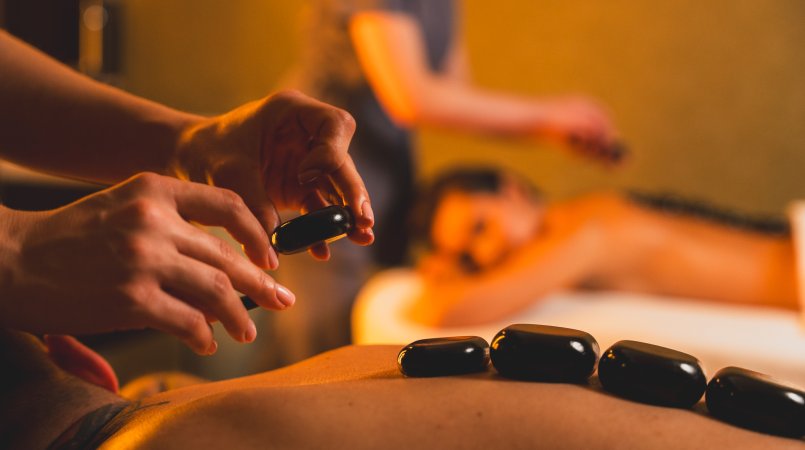
- Aromatherapy sessions – combine scent and touch for sensory calm
- Hydrating facials – promote skin comfort and relaxation
- Body wraps and scrubs – encourage circulation and skin renewal
Each treatment offers unique benefits, and combinations may enhance results.
Integrating Spa Treatments Into a Wellness Routine
Spa treatments are most effective when combined with:
- Regular physical activity
- Balanced nutrition
- Proper hydration
- Consistent sleep schedule
- Stress management practices
Rather than being viewed solely as occasional indulgences, spa visits can function as structured wellness support.
Safety and Professional Considerations
To ensure positive results:
- Choose licensed and trained professionals
- Communicate any medical conditions
- Discuss pressure preferences and comfort levels
- Follow post-treatment recommendations
Professional standards and open communication help ensure safe and effective sessions.