

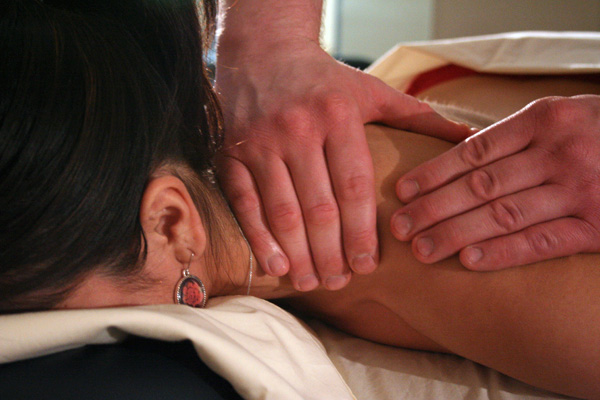
Regular massage therapy is more than an occasional luxury. For many individuals, it is a practical and structured approach to maintaining physical comfort, supporting mental balance, and improving overall well-being. Whether integrated into a wellness routine or recommended as part of a recovery plan, massage therapy offers measurable benefits when practiced consistently.
This article explores how regular massage therapy supports the body and mind, what science suggests about its effects, and how to incorporate it into a balanced lifestyle.
What Is Massage Therapy?
Massage therapy is a hands-on treatment that involves the structured manipulation of muscles, connective tissues, tendons, and ligaments. Licensed therapists use various techniques designed to:
- Reduce muscle tension
- Improve circulation
- Support mobility
- Promote relaxation
Common forms include:
- Swedish massage
- Deep tissue massage
- Sports massage
- Trigger point therapy
- Hot stone massage
Each technique serves different goals, from general relaxation to targeted muscular support.
Physical Benefits of Regular Massage Therapy
1. Reduction of Muscle Tension
One of the most recognized benefits of massage therapy is its ability to reduce muscular tightness. Daily activities, prolonged sitting, repetitive movements, and physical training can lead to stiffness and discomfort.
Regular massage helps:
- Loosen tight muscle fibers
- Improve flexibility
- Reduce localized discomfort
- Support better posture
Over time, consistent sessions may prevent chronic tension from developing into more persistent issues.
2. Improved Circulation
Massage techniques stimulate blood flow through soft tissues. Improved circulation can:
- Support oxygen delivery to muscles
- Assist in nutrient transport
- Promote removal of metabolic waste
- Enhance tissue recovery
Better circulation may also contribute to healthier skin tone and overall vitality.
3. Support for Recovery After Physical Activity
Individuals who exercise regularly often benefit from massage therapy as part of their recovery process.
Potential recovery-related benefits include:
- Reduced delayed-onset muscle soreness
- Improved range of motion
- Decreased muscle stiffness
- Support for injury prevention
While massage is not a substitute for medical treatment, it may complement an active lifestyle.
4. Enhanced Joint Mobility
Restricted mobility often results from muscle tightness or connective tissue stiffness. Through targeted techniques, massage therapy can:
- Improve joint flexibility
- Reduce movement-related discomfort
- Support functional mobility
This is especially beneficial for individuals who spend extended periods sitting or performing repetitive tasks.
Mental and Emotional Benefits
1. Stress Reduction
Massage therapy is widely associated with relaxation. During a session, the body may shift toward a parasympathetic state—often described as the “rest and recovery” mode.
Potential stress-related benefits include:
- Lower muscle tension linked to stress
- Slower heart rate
- A sense of calm
- Improved sleep quality
Regular sessions can help individuals manage daily stress more effectively.
2. Support for Mental Clarity
When physical tension decreases, mental clarity often improves. Clients frequently report:
- Better focus
- Reduced mental fatigue
- Improved mood
- Greater emotional balance
Massage therapy provides structured time away from daily distractions, allowing both body and mind to reset.
3. Improved Sleep Patterns
Muscle relaxation and reduced stress can positively influence sleep quality. Individuals receiving regular massage therapy may experience:
- Faster sleep onset
- Fewer nighttime disruptions
- More restorative rest
Consistent sleep contributes significantly to overall health and productivity.
Long-Term Wellness Benefits
1. Prevention-Oriented Care
Regular massage therapy can function as preventive wellness support. Instead of addressing discomfort only when it becomes severe, consistent sessions may help:
- Identify tension patterns early
- Maintain muscular balance
- Reduce risk of strain
Preventive approaches often require less intensive intervention over time.
2. Improved Body Awareness
Massage therapy increases awareness of posture, breathing patterns, and muscular habits. This awareness can lead to:
- Better ergonomic adjustments
- Improved stretching routines
- More mindful physical activity
Understanding how your body responds to stress or strain allows for proactive care.
How Often Should You Schedule Massage Therapy?
The ideal frequency depends on individual goals, activity levels, and physical condition.
General guidelines:
- For relaxation and stress management: once every 3–4 weeks
- For active individuals: every 2–3 weeks
- For targeted muscular concerns: weekly sessions (short-term, as recommended by a therapist)
Consistency typically produces better results than occasional sessions.
Integrating Massage Into a Balanced Lifestyle
Massage therapy works best when combined with:
- Regular physical activity
- Adequate hydration
- Proper stretching
- Balanced nutrition
- Sufficient sleep
It should be viewed as one component of a broader wellness routine rather than a standalone solution.
Safety and Professional Standards
When considering massage therapy, it is important to:
- Choose licensed and certified therapists
- Communicate medical history and conditions
- Discuss comfort levels and pressure preferences
- Follow post-session care recommendations
Massage therapy is generally safe for most individuals, but certain medical conditions may require consultation with a healthcare provider beforehand.
Regular massage therapy offers a structured and practical way to support physical comfort, manage stress, and maintain overall wellness. Through improved circulation, reduced muscle tension, enhanced mobility, and mental relaxation, consistent sessions can contribute to long-term health and balance.
Rather than viewing massage as an occasional indulgence, many individuals benefit from incorporating it into a regular wellness routine. With proper scheduling and professional guidance, massage therapy can become a reliable component of a healthy lifestyle.